
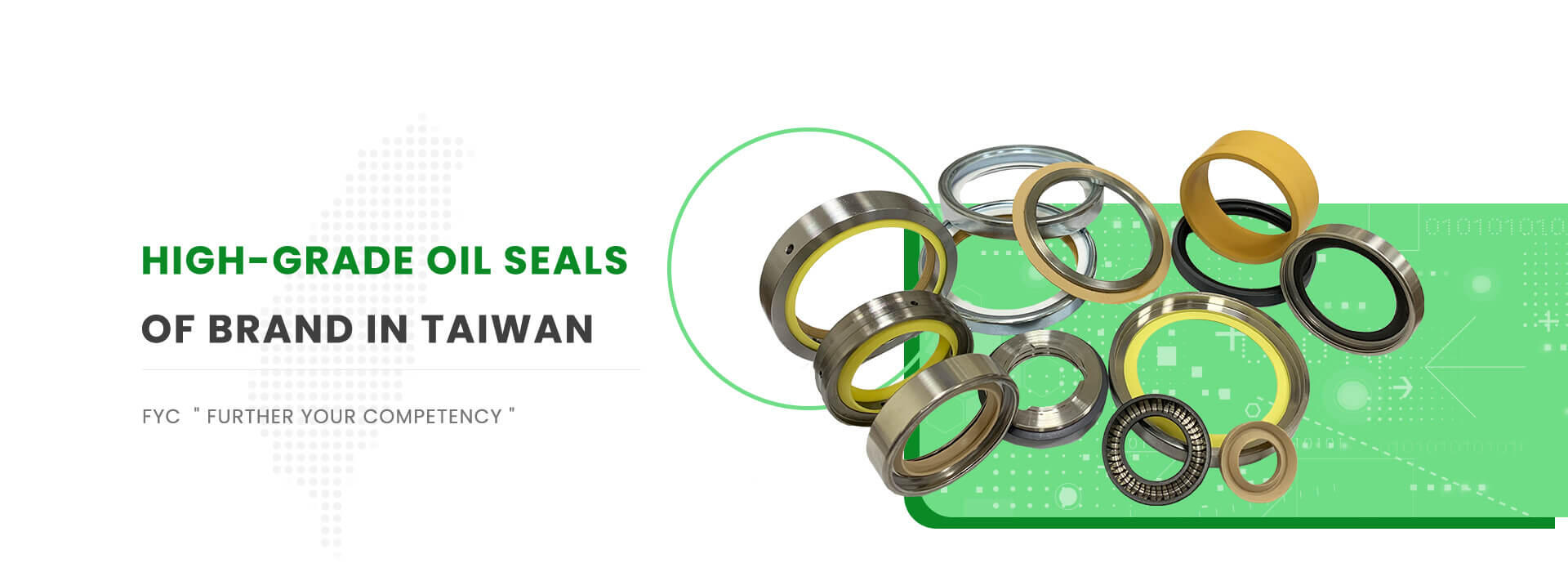
Optimizing Semiconductor Process Sealing with Proper Vacuum Pump Oil Seals
In many industrial factories, seals don't get much attention until something starts leaking. But in semiconductor production, waiting that long can be costly.
Even a small sealing problem can reduce vacuum stability, increase the risk of contamination, and affect process consistency during critical steps.
Vacuum pump oil seals are key components in semiconductor vacuum systems. They help maintain vacuum stability, protect pump performance, and keep process environments stable.
This article covers the basics of vacuum pump oil seals, common material options, and how to choose the right seal for your application.
What Is a Vacuum Pump Oil Seal?

A vacuum pump oil seal is used to keep the vacuum pump sealed, clean, and operating efficiently. It prevents lubricating or sealing oil from leaking out and stops outside air, dust, and other contaminants from entering the vacuum system. In doing so, it keeps vacuum levels steady, pumps running smoothly, and lowers the chance of contamination. It's typically installed between the rotating shaft and pump housing, where constant movement can lead to leakage. A proper seal helps maintain stable pump performance during operation.
Why Vacuum Pump Oil Seal Selection Matters in Semiconductor Manufacturing
Seal performance directly impacts the stability, cleanliness, and efficiency of semiconductor processes. Manufacturers need to pay careful attention when selecting vacuum pump oil seals because:
Leakage disrupts vacuum stability and process precision
If the oil seal leaks or fails, the vacuum level can fluctuate and become unstable. This affects the precision and stability in semiconductor processing, especially in thin film deposition and etching.
When that happens, it can lead to uneven thin film deposition, coating defects, and reduced process consistency.
Poor chemical resistance contaminates the process environment
Seal material should have good chemical resistance because vacuum pumps may come into contact with process gases, vapors, and other corrosive media.
Weaker chemical resistance can cause the seal material to break down more quickly during operation, which may negatively affect process cleanliness, product quality, and equipment reliability.
Premature wear increases maintenance and disrupts production
Premature wear in oil seals can create ongoing maintenance problems. It increases maintenance frequency, replacement costs, and the risk of unplanned downtime.
If the seal continues to age or becomes damaged, vacuum performance can drop and pump load can increase, leading to more severe equipment wear. Over time, this will affect the entire semiconductor manufacturing process.
Common Materials Used for Vacuum Pump Oil Seals
Vacuum pump oil seals are made from a range of materials, each suited for different environments and operating conditions.
1. NBR (Nitrile Rubber)
NBR is a widely used sealing material known for its good oil resistance and reasonable cost. It works well in many general-purpose applications, such as vacuum pumps used in packaging, food processing, and basic industrial manufacturing.
That said, it has limits in more demanding environments. High temperatures and strong chemical exposure can reduce its service life and sealing performance.
2. FKM (Fluoroelastomer)
FKM is a good choice for more demanding applications because it offers strong heat resistance and good chemical resistance. It’s often used in rotary vane, dry vacuum pumps, CVD systems, and plasma etching equipment.
It performs reliably in harsher operating conditions, especially when the pump is exposed to elevated temperatures, aggressive chemicals, or stricter performance requirements.
3. PTFE (Polytetrafluoroethylene)
PTFE has excellent chemical stability, making it ideal for vacuum systems that handle corrosive gases or require cleaner operations. For example, it's commonly found in
dry scroll pumps, and vacuum systems used for chemical vapor deposition (CVD).
Its low-friction surface also helps reduce wear in demanding operating environments, especially in dry-running conditions with limited lubrication.
What to Consider When Choosing a Vacuum Pump Oil Seal for Semiconductor Applications
These factors directly affect system reliability and semiconductor process sealing performance:
Required vacuum level
Vacuum requirements vary depending on the semiconductor process. Processes like etching, deposition, and ion implantation each require a specific vacuum range.
For example, etching involves corrosive gases and reactive byproducts, so seals with stronger chemical resistance are more suitable. Deposition processes focus on contamination control and outgassing, so low-contamination, high-stability seal materials are preferred.
The vacuum pump oil seal must perform reliably within these conditions to maintain consistent sealing performance. Poor sealing reduces process precision, causes vacuum instability, and affects overall manufacturing consistency. Vacuum level should also be considered with process conditions when selecting the seal.
Application requirements
Different applications place different demands on seal life, material stability, and contamination control. For example, a continuously operating pump may need a seal with better wear resistance and longer service life.
Manufacturers need to consider how and where the seal will be used. Is continuous operation required for this application? Does it require a high level of cleanliness? Is reliability especially critical? These questions should be asked before selecting the seal material and design.
Flow rate and pump speed
Pump speed and flow rate impact how quickly the pump moves gas and how the system performs under load. They dictate how much friction, pressure, and movement the seal has to handle during operation.
The oil seal must work properly with the pump’s pumping speed and flow rate to maintain stable performance over time. If the seal cannot match the pump’s operating conditions, the seal may wear faster, leak more easily, or reduce overall efficiency.
Material compatibility
The seal material must be compatible with the gases, vapors, and chemicals used in the system. If it isn’t, the material may swell, harden, crack, or fail earlier than expected.
Energy efficiency
A good seal design can help reduce leakage, lower friction loss, and improve overall pump efficiency. With better sealing performance, the system can reach the required vacuum level with less wasted energy, lowering operating costs in the long run.
Operating temperature
Semiconductor equipment often operates in high-temperature environments and rapidly changing thermal conditions. Therefore, the oil seal needs to be heat resistant, thermally stable, and able to maintain performance under heat stress.
Poor heat resistance may cause the material to degrade faster, the seal to fail, and the service life to shorten.
Pressure conditions
Pressure conditions can change throughout semiconductor equipment operation. The seal must withstand pressure changes during startup, normal operation, and shutdown, and continue sealing reliably under both positive and negative pressure conditions.
Sealed media
The seal may be exposed to vacuum oil, process gases, or other media during operation, and each one requires different levels of chemical resistance, lubrication compatibility, and durability. Because of this, manufacturers should choose a seal material based on the actual substance the seal will be exposed to.
If the seal is mainly exposed to standard media, general-purpose seal materials like NBR would suffice, but if it’s exposed to harsher chemicals, aggressive gases, or limited lubrication, higher-performance materials such as PTFE may be a better fit.
FAQs
Q1. Why is the seal leaking oil or failing to maintain vacuum?
If the seal is leaking oil or failing to maintain vacuum, the problem is usually related to oil condition, seal wear, or installation.
Common causes:
- Contaminated oil
- Worn sealing components
- Incorrect installation
- Excessive compression
- Overheating at the sealing surface
Possible solutions:
- Check oil level and cleanliness
- Replace contaminated oil and filters
- Check material compatibility
- Reinstall the seal correctly
- Use a compatible lubricant during installation
Q2. How can you prevent short seal life or frequent seal failure?
Short seal life is often caused by poor maintenance, neglected filter cleaning, pipeline leakage, or contamination entering the system.
To help prevent this:
- Monitor oil level regularly
- Check inlet valves and exhaust lines
- Clean filters routinely
- Replace filters when needed
- Follow a preventive maintenance schedule
- Install pre-filters to reduce contamination
- Use double-lip seal designs in dusty environments
Partner With a Trusted Oil Seal Manufacturer
Oil seal selection affects vacuum stability, equipment performance, and long-term reliability. But choosing the right vacuum pump oil seal is only part of the equation. A reliable vacuum pump oil seal supplier should be able to match material performance, application fit, and product durability across different applications.
In the sealing business since 1986, FYC has built its reputation around premium oil seal production. FYC's vacuum pump lip seals are made of PTFE and designed for semiconductor applications and demanding environments. They offer high-performance sealing that helps control leakage and protect pump operation. Reach out to FYC to discuss your vacuum pump sealing requirements.
2026-04-22